Train in classical Chinese metaphysics. Qualify through real assessment. Not a course you buy — a qualification you earn.
Apply for the founding cohort Read the program firstA private lineage credential, renewed yearly and publicly verifiable. Not a government license or accredited qualification.
For consultants, designers, and serious students building a professional practice: sixty hours in the lineage's working method, then written examination, three assessed client cases, a recorded consultation, and a signed code of ethics.
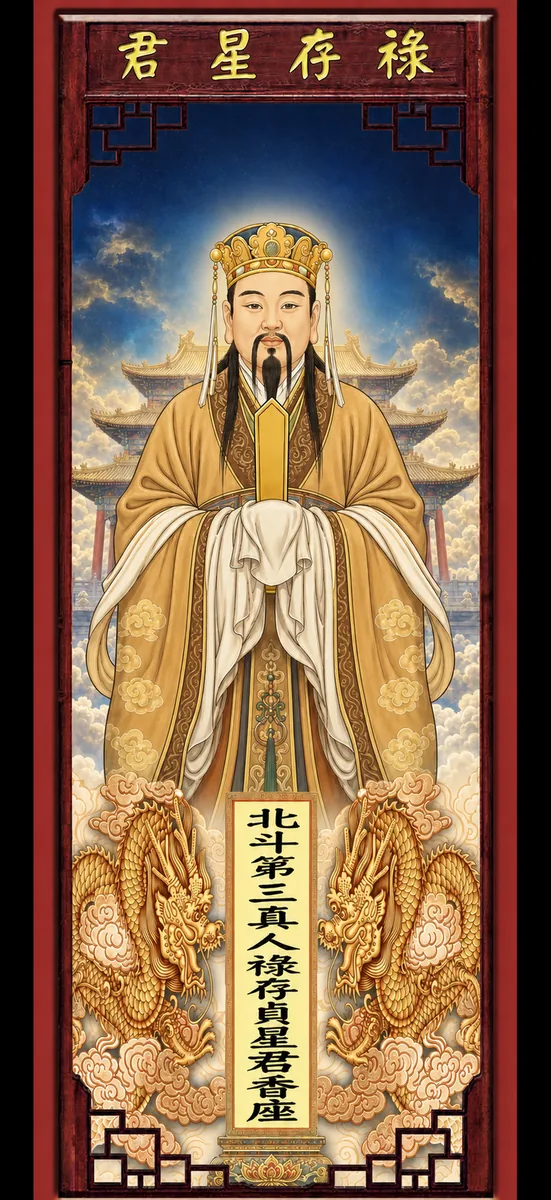
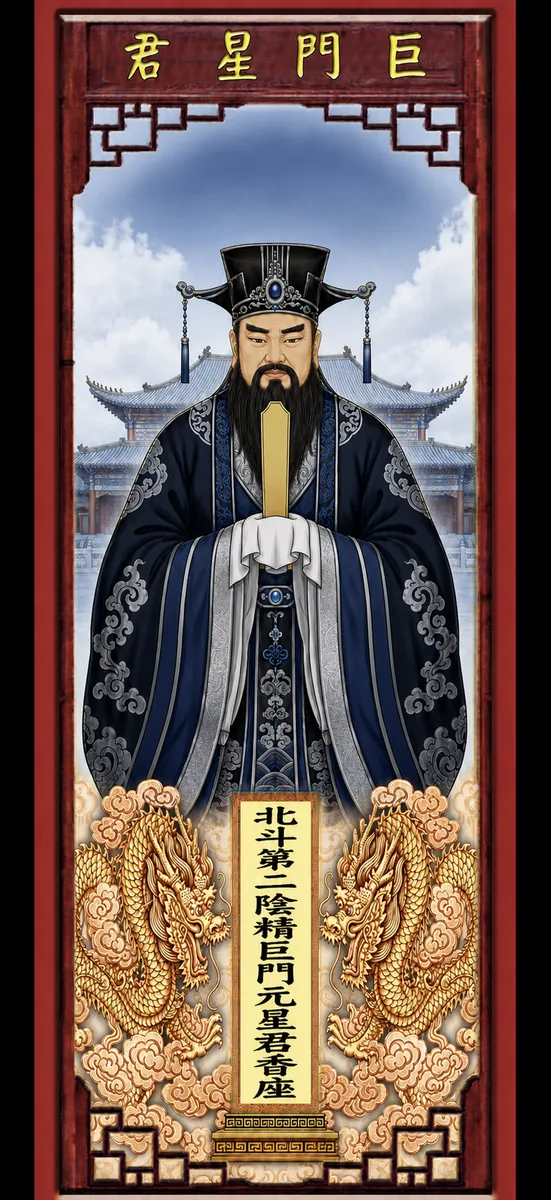
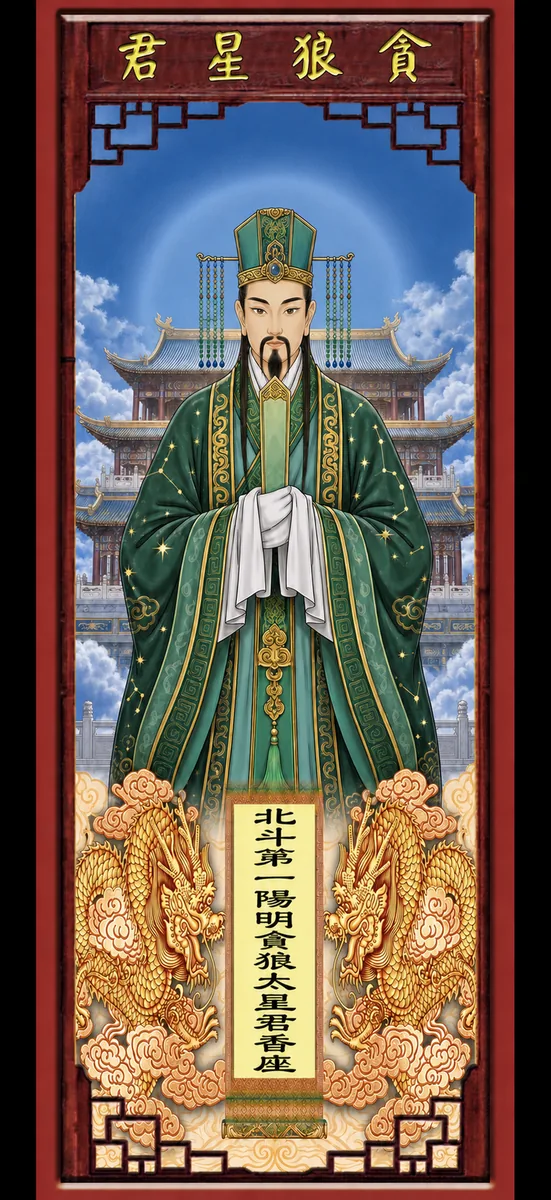
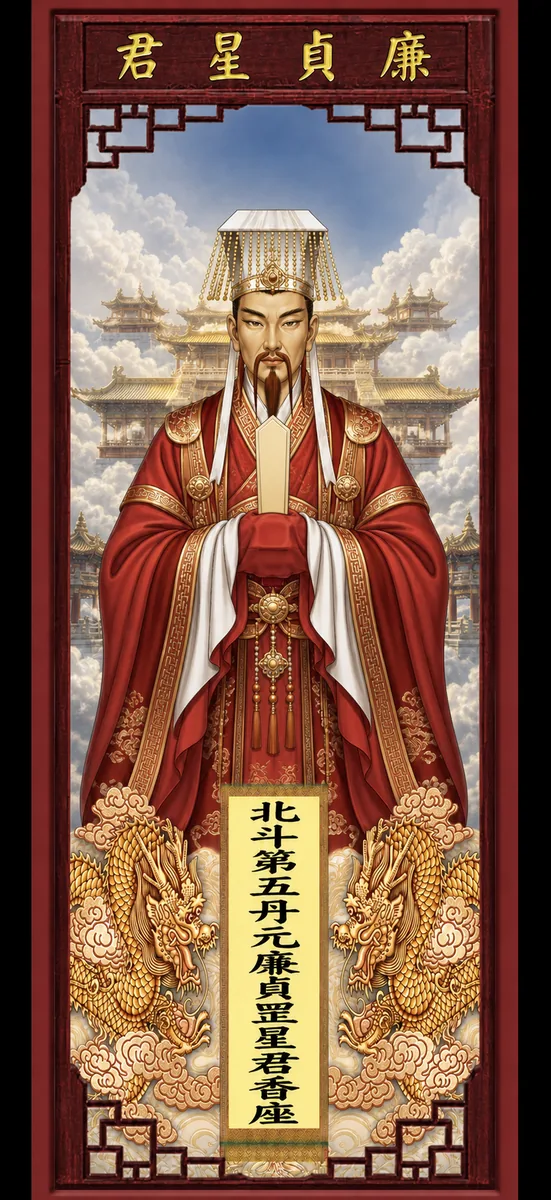
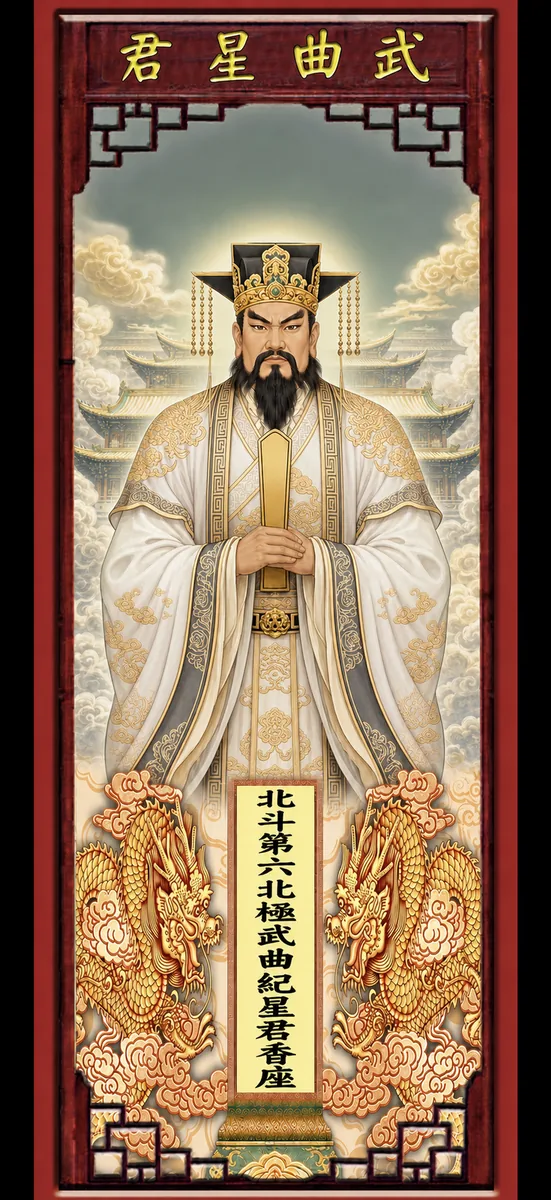
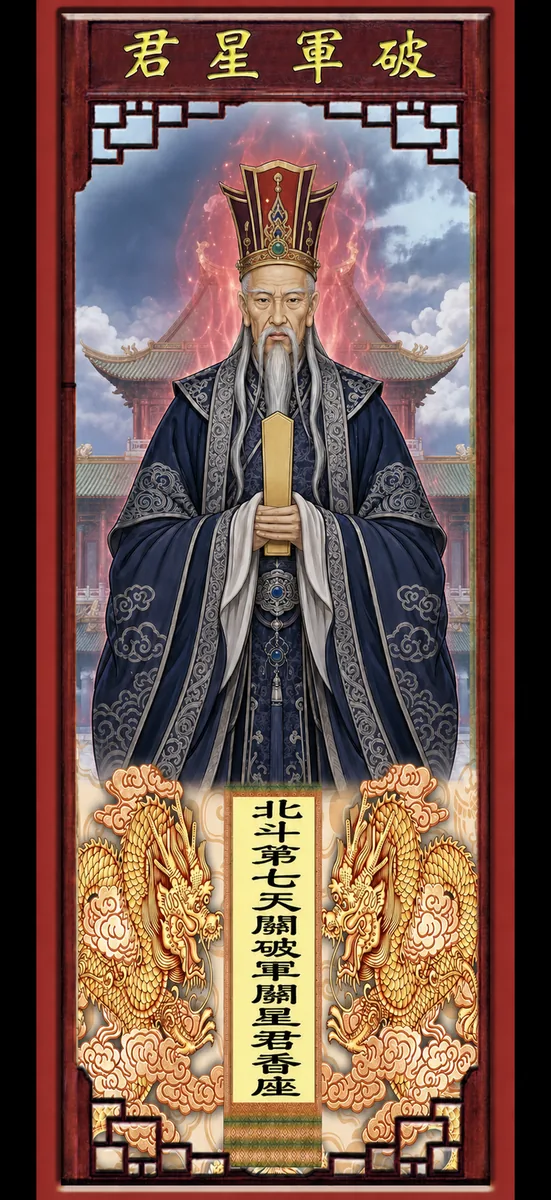
These Seven Star Lords belong to the lineage's inherited cosmology and visual culture. They provide historical context for the directional system studied in the program.
Traditional title: 北斗第一陽明貪狼太星君. Element association in the lineage's colour system: Wood.
Cultural context — not ritual instruction. The course teaches compass-based feng shui consultation; it does not train ritual officiants, require worship, or confer religious authority.
Original devotional artwork by the program founder.
The name Cylius comes from its founder's initials and from what the school studies: cycles — of qi, of time, and of the places people live.
The Liu-Cuo lineage is a family line of Taoist ritual practice from northern Taiwan, transmitted master to disciple for centuries and still in active service today. Its priests keep a working altar: they perform the ceremonies, take compass readings, survey the houses, and train successors — as previous generations did.
Unlike many short-form certification courses, this program descends from a tradition with documented texts, instruments, and a living teaching line. When you are credentialed here, the authorization names its source — and the issuing lineage remains accountable for its standards.
We do not claim to be the only authentic school, and we do not sell mystery. The lineage's position is simple: this is not secrecy — it is procedure. Every method taught here is the method actually used, presented with its terms, its steps, and its limits.

Most certificates are receipts. This one is a standing relationship with the lineage that issued it — and it can be withdrawn.
You completed the prescribed training hours.
You passed written, case, and practical assessment.
The lineage currently permits your use of its methods, title, and badge within a stated scope, subject to local law.
Clients can verify you in real time.
Sixty hours in twelve positions. Turn the dial: each earthly branch holds one module and the outcome it must produce.
Know the tradition, its boundaries, and the promises you may never make.
Recorded instruction with subtitles (36 h), readings and assignments (8 h), field and case practice (12 h), examination and assessed consultation (4 h). A monthly live case clinic reviews real floor plans and student casework. Assessment standard: module tests and final written examination at 80% or above; three accepted case reports; a 20–30 minute recorded consultation reviewed by the lineage; signed Code of Ethics. Final credential decisions are made by the lineage's presiding authority — never by software.
Continuing path: the Qimen Strategy Practitioner Program (second track) opens after the founding feng shui cohorts; dual-credentialed practitioners carry both scopes. A small annual Lineage Immersion in Taiwan — instruments, field surveys, and the tradition's working context, in person — is offered by application to qualified students.
The limits are contractual — and they are why the credential is worth holding.
Behind the program stands the lineage's own research practice: classical ritual and divination texts read in the original, terminology standardized across Chinese and English, and historical claims kept on a documented footing. Where evidence is strong we say so; where tradition and history diverge, we teach the difference.
Students receive a bilingual glossary of working terms, source notes for every module, and case materials drawn from real surveys. You will not be asked to take the method on faith — you will be shown where it comes from and how it is applied.
Twenty founding seats, recorded by name in the registry.
After the founding cohorts close, standard enrollment is US$1,997; a dual track (Feng Shui and Qimen) is planned at US$2,997; annual renewal is US$249 with 12 hours of continuing education. Payment plans are available at checkout. Prices are charged in TWD at the prevailing rate; the exact converted amount is shown before you confirm. The enrollment agreement, refund terms, and the issuing entity are provided in full before any payment.
The US$99 application deposit is refunded in full if your application is declined, and credited toward tuition if accepted. If you are accepted but choose not to enroll, the deposit is refundable within 14 days of the admission decision. Full tuition refund terms, in plain language, are stated on the enrollment agreement before any payment.
No. It is a private credential issued by the Liu-Cuo Taoist lineage under its own published standards: training, examination, ethics, annual renewal, public verification, and revocation. We state this everywhere, including on the certificate itself.
No. This is professional training in a consulting discipline. No religious affiliation, belief, initiation, or ritual participation is required — of applicants, students, or credential holders.
No. This is professional training in feng shui consulting. Religious roles in the lineage are a separate, application-based path with its own vetting and its own ceremonies — never sold, and never automatic.
You keep full course access, receive examiner feedback, and may re-examine (one re-examination included in founding tuition). The same published passing standard applies to every candidate — that is what makes passing meaningful.
Three things: the source (a living Taiwanese ritual lineage, not a seminar brand), the standard (published examinations that every candidate must actually pass), and the accountability (annual authorization, public registry, and revocation). We make no claim to be the only serious school — we simply publish our standards and keep them.
Most students complete the program in four to eight months at three to five hours per week. Access does not expire.
All instruction is in English (subtitled, with a bilingual glossary). Assessments are asynchronous — you record your consultation on your own schedule, without booking a live examination across time zones.
A small annual Lineage Immersion — in-person study in Taiwan: instruments, field surveys, and the tradition's working context — is offered by application to enrolled students. Details are provided after admission.